Bland diet for cats – recipe, instructions & expert tips
If your cat suddenly vomits, their stool becomes soft, or the animal simply doesn't want to eat after surgery, the advice is quickly given: "Just give them some bland food for now." Sounds simple. But it isn't. A good bland diet recipe for cats is more than just boiled chicken and rice – and this is exactly where many owners make mistakes that end up hindering rather than helping recovery.
Note: This article serves exclusively for general information and does not replace veterinary examination, diagnosis, or treatment. In cases of persistent vomiting, diarrhea, loss of appetite, pain, or other symptoms of illness, a veterinarian should always be consulted.
What is a bland diet for cats? – Definition & Basics
Bland diet explained simply: easily digestible, low-fat, non-irritating
A bland diet does not mean "dieting" in the sense of eating less. It is about food that puts as little strain on the irritated gastrointestinal tract as possible: easily digestible, low-fat, and non-irritating. Specifically, this means a highly digestible animal protein as a base, little fat, no spices, and no hard-to-break-down ingredients. The digestive system should be allowed to work without being overwhelmed.
When does a cat need a bland diet?
Typical occasions: acute diarrhea, repeated vomiting, the phase after anesthesia or surgery, or a chronically sensitive stomach that reacts to every new food with protest. In all these cases, the intestinal mucosa is irritated or digestive performance is reduced. By the way, water is the most important nutrient here of all – the Merck Veterinary Manual explicitly points out that a lack of water can be fatal within a few days and that cats naturally drink very little anyway.
Important in advance: A bland diet is a temporary solution
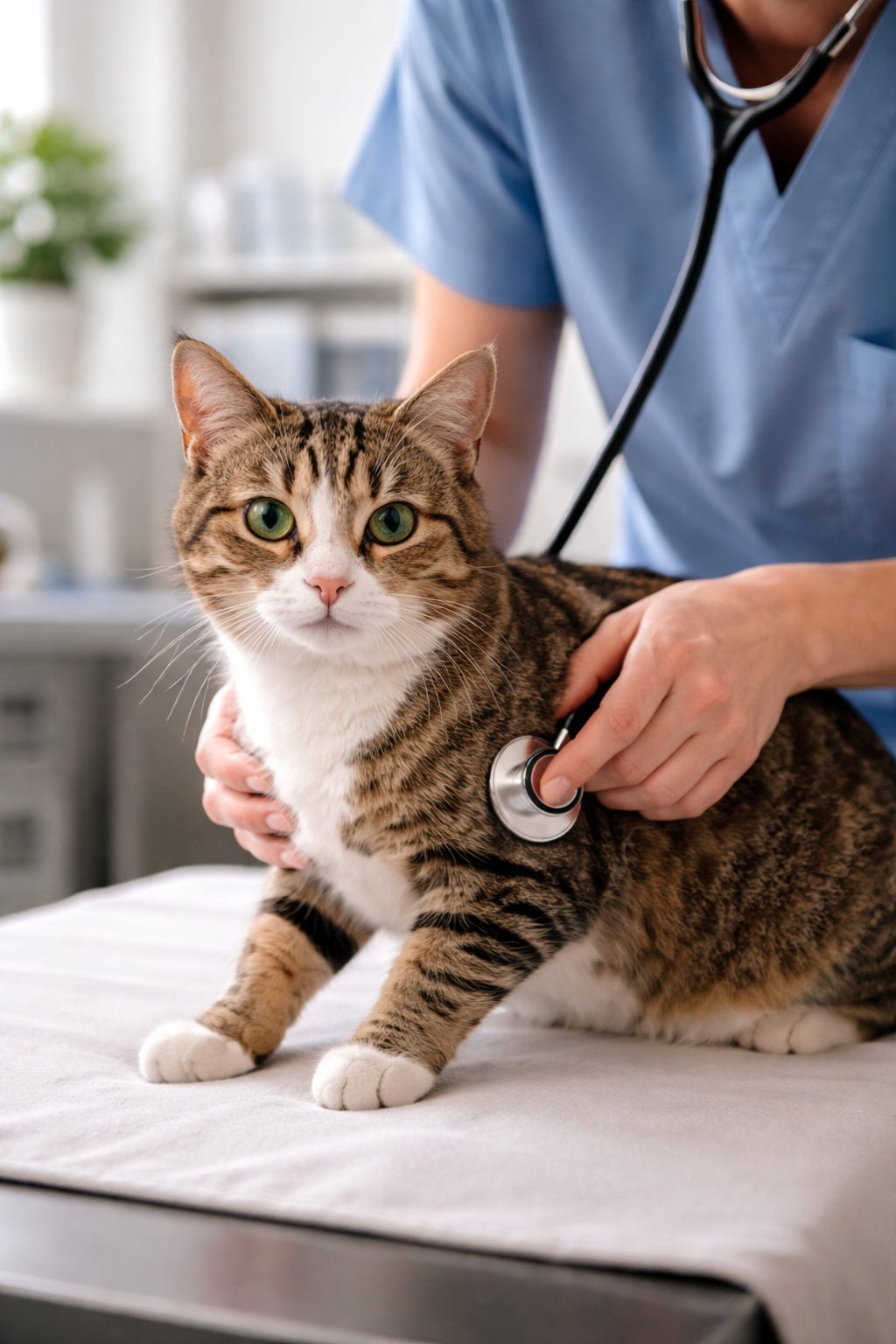
This is the point I would most like to underline in bold: a bland diet is a transitional measure, usually intended for about 7 to 10 days – and always in consultation with the veterinarian. If diarrhea or vomiting lasts longer than one or two days, if there is blood in the stool, or if the cat seems lethargic, it belongs in the clinic. Period. Feeding home-cooked meals for weeks without a plan creates new problems instead of solving old ones.
The cat as a carnivore: Why the right bland diet counts
Obligate carnivores – what the cat's body is designed for
Cats are obligate carnivores. This is not a marketing cliché, but physiology. Unlike dogs, they strictly require animal sources for certain nutrients. The Merck Veterinary Manual states it clearly: cats require vitamin A, arachidonic acid, and especially taurine from their food, because plant protein sources are free of taurine. Dog food or a vegetarian "bland diet" can literally make a cat sick. This is precisely why RumbleBox builds its snacks on pure meat – because it corresponds to what the cat's body actually demands.
Why cooked food is often better for gastrointestinal problems than BARF
I am not fundamentally against BARF. But in the case of illness, the equation changes. An irritated intestine, perhaps weakened by diarrhea, should not also have to deal with germs from raw meat. Heating kills pathogens – the Merck Manual states that at least 74°C is necessary to kill bacteria, worm parasites, and protozoa in the food. Cooking also defuses anti-nutritional factors: thiaminases in raw fish destroy vitamin B1, and avidin in raw egg white binds biotin. During the acute phase, gently cooked food is therefore simply the safer choice.
Bland diet for cats: Recipe for home cooking (step by step)
Suitable ingredients
The base is lean animal protein. The following have proven successful:
- Chicken (breast, skinless) – lean, well-accepted, easily digestible
- Turkey – similar to chicken, often even lower in fat
- Lean fish (e.g., cod), thoroughly cooked
- As a small, easily digestible side: some cooked rice or soft-cooked carrot
The side dish remains a side dish. A cat is not a rice eater – the meat carries the recipe.
Unsuitable & forbidden foods
| Taboo | Why |
|---|---|
| Onions, garlic, leeks | Damage red blood cells, toxic to cats |
| Spices, salt, oil/butter | Irritate the gastrointestinal tract, too much fat puts a strain on it |
| Cow's milk | Most adult cats do not tolerate lactose well → diarrhea |
| Raw egg white, raw fish | Avidin binds biotin, thiaminases destroy vitamin B1 (Merck Vet Manual) |
| Sugar, grain in quantities | Unnecessary, can additionally irritate sensitive stomachs |
Basic recipe with quantities based on cat weight
The following quantities are rough daily guidelines for the acute bland diet phase and a starting point – not set in stone. The Merck Veterinary Manual emphasizes that even animals of the same weight can need up to 30% more or less energy. When in doubt, the vet will adjust the amount.
| Body weight | Lean meat (cooked) | Side dish (rice/carrot) |
|---|---|---|
| approx. 3 kg | approx. 90–110 g | approx. 1 tbsp |
| approx. 4 kg | approx. 110–140 g | approx. 1.5 tbsp |
| approx. 5 kg | approx. 140–170 g | approx. 2 tbsp |
Divide into several small portions throughout the day. Cats naturally eat many mini-meals – according to the Merck Manual, up to 18 small portions daily. This suits an irritated stomach.
Preparation in 5 steps – low-fat & gentle
- Cook the meat in water without salt and without spices until it is completely cooked through. Do not sear in oil.
- Cook the side dish (rice or carrot) separately until soft.
- Let everything cool completely – serve lukewarm, never hot.
- Chop or shred the meat so that no hard pieces remain.
- Do not pour away the cooking broth (unseasoned!) – a splash of it over the food increases acceptance and fluid intake.
Quick alternative without cooking
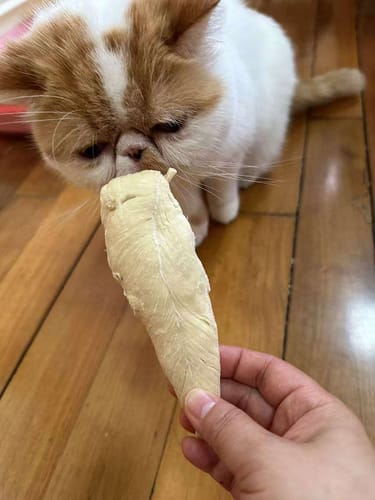
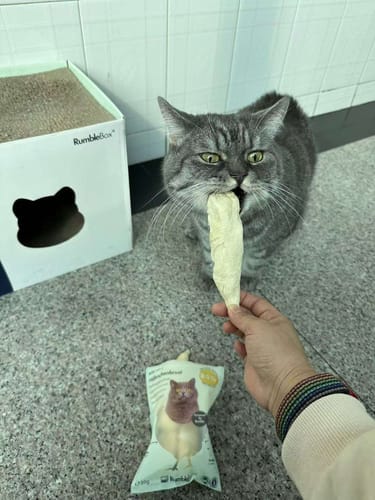
Not everyone feels like cooking chicken breast at 10:30 PM when the cat is crying. A practical solution is freeze-dried monoprotein snacks as a pure meat base – for example, RumbleBox freeze-dried chicken breast, 100% meat, no additives. Gently dried so that nutrients and taste are preserved, and explicitly suitable for sensitive cats. This does not replace a complete diet, but serves as a clean, non-irritating protein source when things have to be done quickly.
Hydration & fluid: often underestimated in sick cats
Encourage water intake
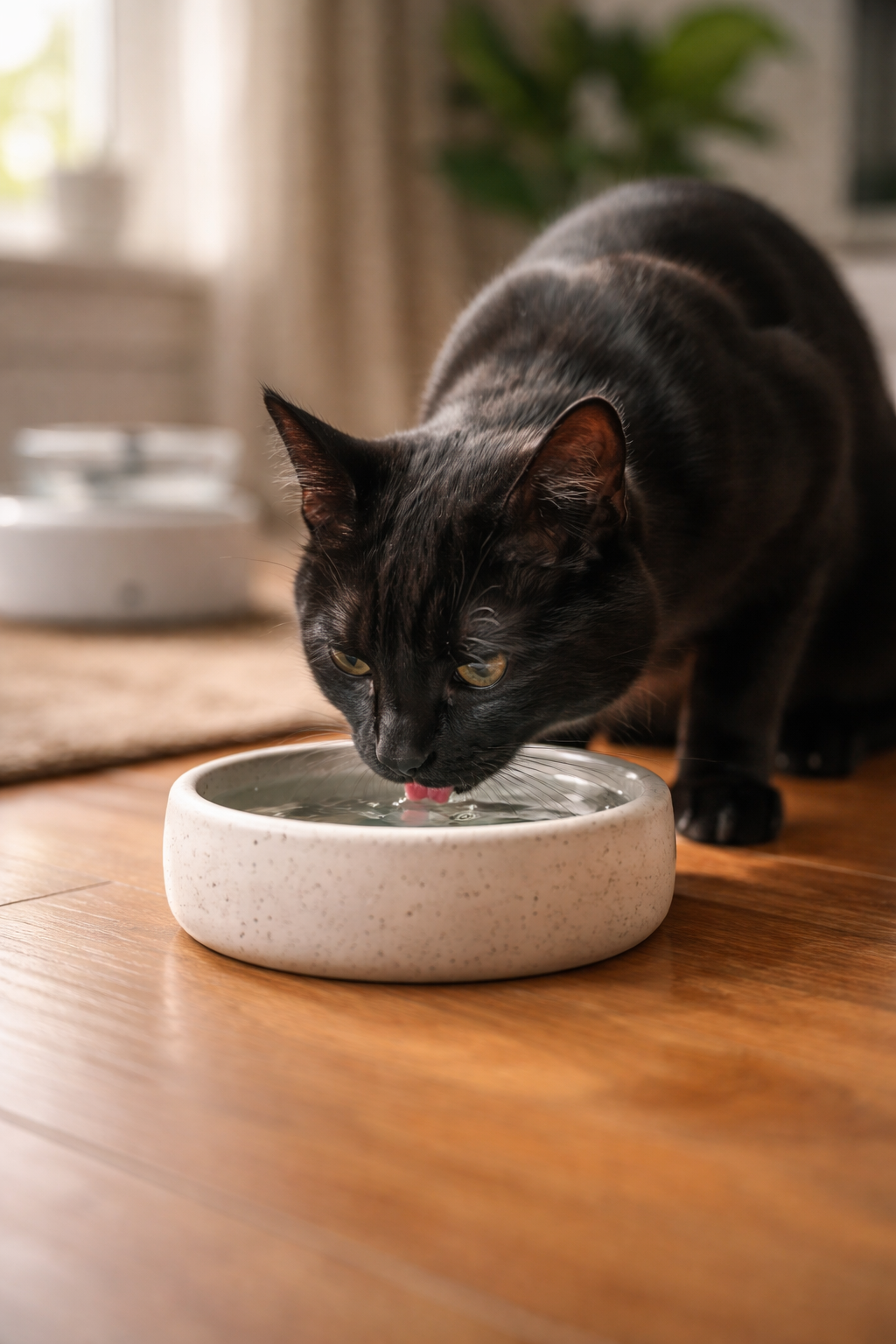
With diarrhea and vomiting, the cat loses fluid – and usually drinks too little at the same time. The Merck Veterinary Manual notes that animals on predominantly wet food drink significantly less than those on dry food, simply because canned food contains 60 to over 87% water. Translated for everyday life: offer unseasoned broth, moisten the food with warm water, set up several water stations. According to the manual, multiple sources demonstrably encourage drinking.
Creamy lickable snacks as a trick
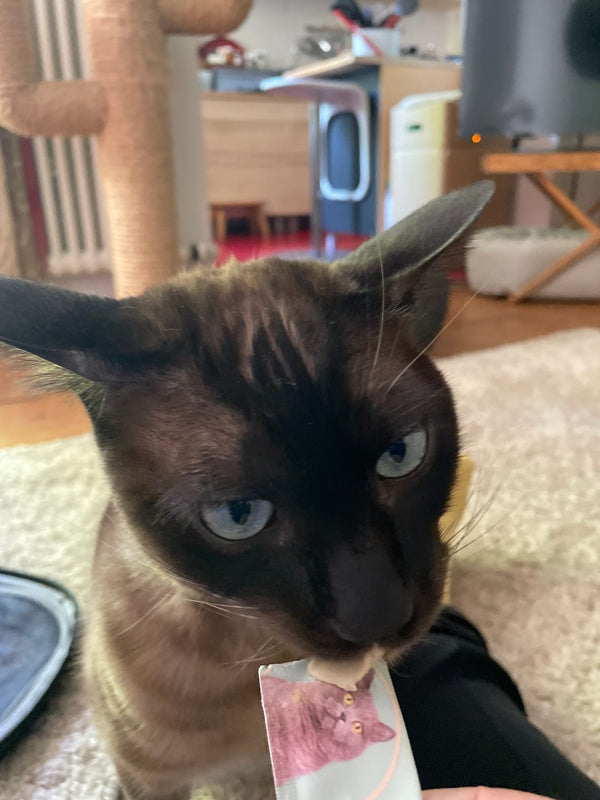
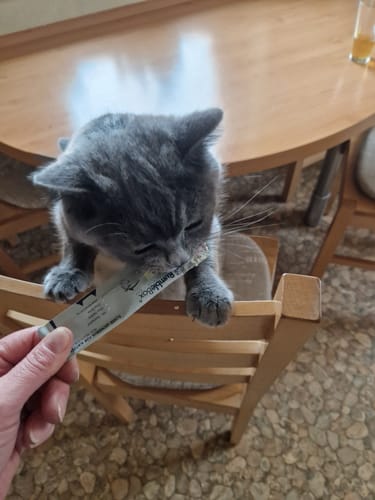
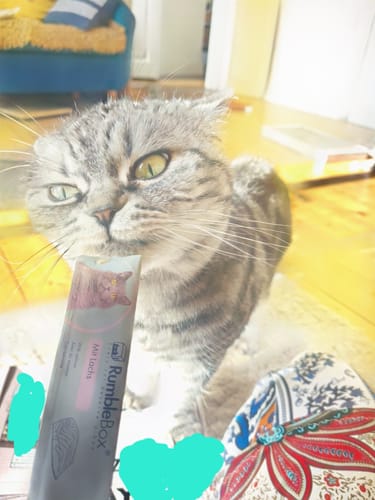
A practical tip: creamy lickable pastes. RumbleBox "Schleckies" consist of about 70% fresh meat and contain water that not only makes the consistency creamy but – quote from the product description – "supports daily fluid intake. Especially for cats that drink little." A sick cat that refuses solid meals will often lick a creamy paste anyway – and thus take in fluid and protein on the side.
Important nutrients & supplements for home-cooked cat food
Why home-cooked food without supplements leads to malnutrition
This is where it gets serious, and this is where mistakes are too often made. The Merck Veterinary Manual is unequivocal: nutrition-related diseases occur above all when unbalanced home-cooked diets are fed. Pure meat – such as a pure chicken-and-rice diet – can trigger a calcium deficiency and secondary nutritional hyperparathyroidism because the ratio of calcium to phosphorus tips. Over a few days of a bland diet, this is not critical. However, anyone cooking at home for longer cannot avoid supplementation – ideally according to a recipe from a veterinarian specializing in nutrition.
The most important supplements
| Nutrient | Function | Note |
|---|---|---|
| Taurine | Heart function, vision – deficiency causes dilated cardiomyopathy & central retinal degeneration (Merck Vet Manual) | Essential, as plant proteins contain no taurine |
| Calcium | Bones, muscle function | Pure meat diet is low in calcium/high in phosphorus – balancing is necessary |
| Vitamin A | Vision, skin, immune system | Cats cannot convert beta-carotene (Merck Vet Manual) |
| Omega-3 fatty acids | Skin, fur, immune system | From fish oil/algae oil |
Regarding taurine requirements, it is worth looking at the FEDIAF Nutritional Guidelines, the European reference for complete cat food, as well as the NRC "Nutrient Requirements of Dogs and Cats". It is no coincidence that RumbleBox specifically adds 1500 mg/kg of taurine to its lickable treats – taurine is an essential amino acid that cats cannot produce in sufficient quantities themselves.
The "victim protein" principle
A detail that many overlook: if the stomach is already irritated and the immune system is running at full speed, this is an unfavorable moment to introduce a completely new, exotic protein – the risk that the cat will develop an allergy specifically to it increases. Some veterinarians use this knowledge consciously and reserve a certain protein as a "victim protein." Pragmatically, this means: during the bland diet phase, stick to a known, well-tolerated variety rather than experimenting with kangaroo or ostrich now.
Bland diet for specific diseases
Pancreatitis: particularly low-fat diet
For pancreatitis, the rule is: as low-fat as possible. Fat drives enzyme production, and that is exactly what the inflamed organ should not have to do. Skinless chicken breast, turkey, not a drop of oil. This is a disease where you do not experiment on your own.
Kidney, liver & intestinal diseases (IBD) – brief overview
Renal insufficiency, liver disease, and inflammatory bowel disease (IBD) each require their own, often contradictory adjustments – for the kidneys, for example, controlled phosphorus and protein; for IBD, often an elimination diet. The Merck Manual links vitamin B12 (cobalamin) deficiency in cats directly to IBD, intestinal lymphoma, and pancreatitis; affected animals sometimes need B12 injections instead of oral administration. In plain language: here, a bland diet based on an internet recipe is dangerous. This belongs in veterinary hands, ideally supported by an online veterinary consultation for intermediate questions.
From the bland diet back to normal nutrition
Gradual transition
When the symptoms subside, do not switch overnight. It has proven effective to slowly mix in the usual food over four to five days: first about a quarter, then half, then three-quarters, and finally completely. This gives the intestine time to get used to the normal diet again.
What to do if symptoms return?
If the diarrhea returns during the transition, take a step back and stay with the last well-tolerated mixture. If this repeats several times or the condition deteriorates, this is not a case for waiting – the cat needs to be examined again. A recurring problem often has a cause that cannot be solved with food alone.
Gentle snacks for the transition phase
In this delicate phase, natural monoprotein treats without grain and sugar are ideal – they provide rewards without irritating the intestine again. This is exactly what RumbleBox's freeze-dried monoprotein snacks are made for: 100% meat, well-tolerated, even for sensitive cats.
Frequently Asked Questions (FAQ)
How long can I feed a bland diet?
Usually about 7 to 10 days. If the condition does not improve by then, a vet visit is due.
Can a bland diet be fed permanently?
No – at least not in the form of a home-cooked, unsupplemented chicken-and-rice meal. Without targeted supplementation of taurine, calcium, etc., deficiency symptoms threaten according to the Merck Veterinary Manual. If you want to cook at home permanently, a complete recipe calculated by a veterinary specialist is required.
Which snacks are allowed for a sensitive stomach?
Pure monoprotein snacks without additives, sugar, or grain. A single, known meat variety is safer than colorful mixtures.
Conclusion: Using a bland diet correctly
A good bland diet recipe for cats is not rocket science, but it relies on a few ground rules: gently cooked instead of raw, lean instead of fatty, non-irritating instead of experimental – and, above all, limited in time. The real art is not in the cooking pot, but in the timing and the awareness that home-cooked food without supplements must not be a permanent state. Gentle, balanced, veterinary-supervised: then a bland diet is exactly what it should be – a bridge back to health, not the destination itself. And if the cat has earned an honest, well-tolerated reward on the way there, you now know what matters.

Thank you for reading this far – it really means a lot to us! We hope you found something useful and maybe your cat is already looking forward to a little something extra. See you soon and lots of purrs!
By the way
Many cat owners pay close attention to the ingredients in their cat's main food , but often forget about treats .
Snacks often contain sugar, grains and artificial additives that can be harmful to health in the long run.
Anyone who truly wants to feed their cat a completely healthy diet should also rely on natural ingredients here:
Hypoallergenic treats without additives – naturally from RumbleBox. Perfect as a reward, during training, or simply as a snack.
Over 2,500 cats have already switched to healthy snacks!
💚