How long do cats live? Life expectancy, influencing factors & tips for a long cat life
How long do cats actually live? It’s a question I hear all the time – mostly from people who have just adopted a kitten and are secretly already afraid of saying goodbye. The honest answer is: it depends. And it depends much more than most people think. Genetics play a part, sure. But the bigger lever is in your hands – through husbandry, preventative care, and above all, food. Let's take a closer look.
What is the average lifespan of a cat?
The common rule of thumb is: A healthy indoor cat lives to be 12 to 15 years old. This roughly matches what science knows today – even if reality is somewhat more nuanced.
The largest study on this topic to date comes from the VetCompass program at the Royal Veterinary College in the UK. The study, published in 2024, evaluated data from nearly 8,000 cats and arrived at an average life expectancy of 11.7 years from birth. Interestingly, female cats lived an average of about 1.3 years longer than males. So, if you have a cat that has already safely made it through its first few years, you can definitely expect significantly more – the statistical life expectancy increases with every year of life survived.
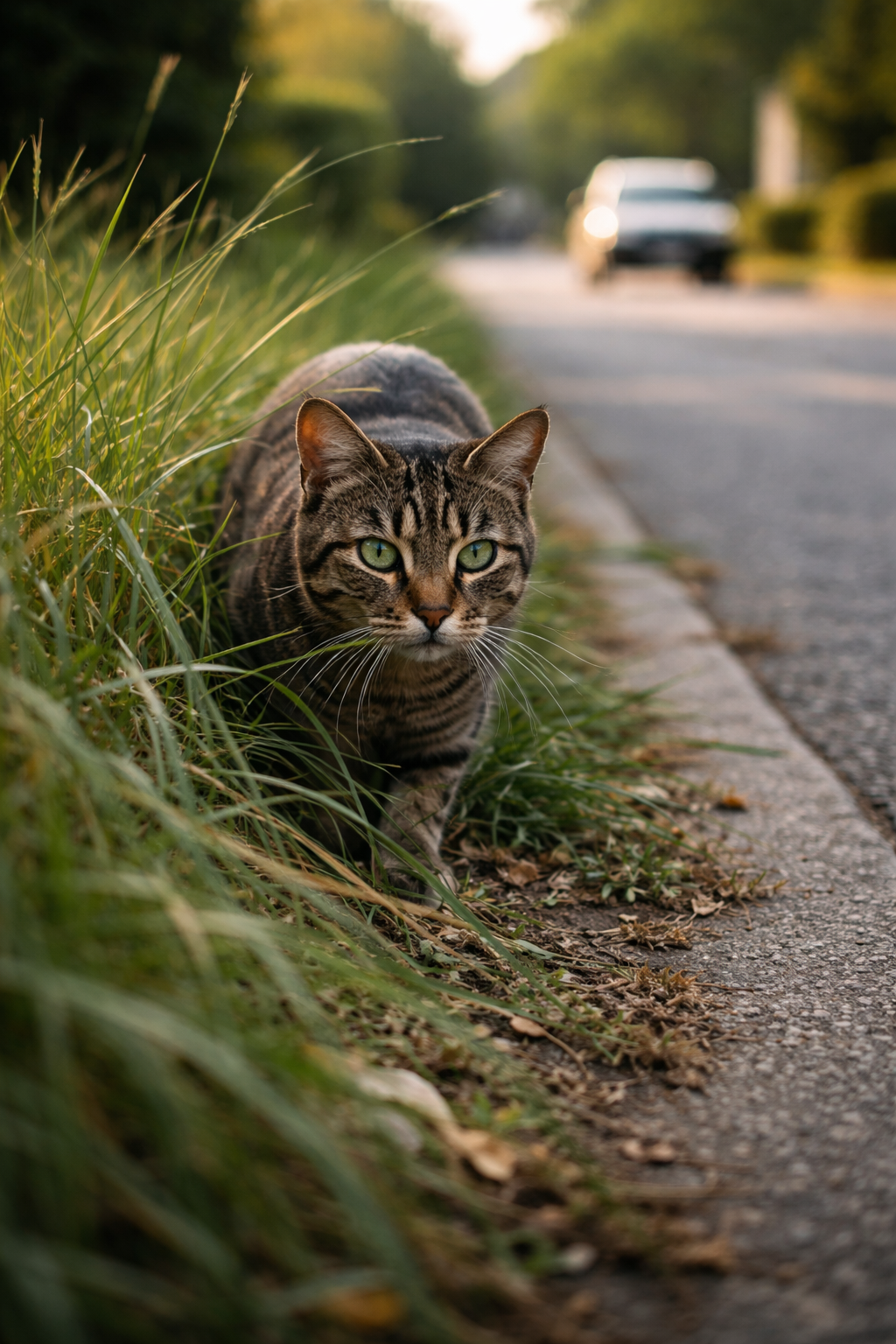
Indoor cats vs. outdoor cats
This is where it gets uncomfortable for all the outdoor cat romantics. According to common estimates by animal welfare organizations, a cat that spends time outdoors often lives three to five years less than its indoor counterpart. The reason is both mundane and brutal: cars, territorial fights, infectious diseases, parasites, and poison. The German Animal Welfare Federation has been pointing out these risks for years.
I don’t want to demonize outdoor access – a happy cat in the garden is a wonderful thing. But one should be honest: more freedom statistically means less time. Those who want both, secure outdoor time and a long life, usually end up with a secured balcony or a cat-proof garden.
What the data shows over the decades
It is worth taking a step back. Cats today are living noticeably longer than they did just a generation ago. Better veterinary medicine, vaccinations, high-quality food, and a simple change in mindset – viewing the cat as a family member rather than a mouser – have significantly boosted the average life expectancy over the decades. Today, cats that reach 15, 16, or 18 are no longer an exception.
Cat age in human years: the conversion table
The old rule "one cat year = seven human years" is nonsense. Cats age rapidly at the beginning and then more leisurely. A one-year-old male is biologically more like a teenager; by two years old, the cat is already in the midst of adulthood.
From kitten to senior
| Cat Age | Human Age (approx.) | Life Stage |
|---|---|---|
| 6 months | 10 years | Kitten |
| 1 year | 15 years | Junior |
| 2 years | 24 years | Young Adult |
| 5 years | 36 years | Adult |
| 8 years | 48 years | Mature |
| 12 years | 64 years | Senior |
| 16 years | 80 years | Geriatric |
| 20 years | 96 years | Elderly |
These values are based on the internationally recognized life stage categories used by feline veterinarians (AAFP/ISFM). They are an approximation, not a law of nature – every cat is different.
When is a cat considered a "senior"?
In veterinary medicine, cats are generally referred to as seniors from the age of 11, and "geriatric" patients from about 15. In terms of behavior, you often notice nothing for years. That is exactly the trap: you think everything is as it should be, while the kidneys or thyroid are already changing quietly.
Which factors influence life expectancy?
How long cats live depends on a bundle of factors. Some you cannot change. Most of them, however, you can.
Husbandry & environment
A safe, calm environment is underestimated in its impact. Chronic stress – constant noise, territorial pressure from other cats, frequent moves – takes a toll on the immune system and digestion in the long run. A cat that feels safe is proven to be healthier.
Genetics, breed & sex
Here is perhaps the most surprising finding from the VetCompass data: mixed-breed cats lived on average about 1.3 years longer than purebred cats. The notorious "hybrid vigor." And as mentioned: females live longer than males. You cannot influence either – but it does put expectations for some expensive breeds into perspective.
Veterinary care, vaccinations & spaying/neutering
Neutering measurably extends life expectancy – neutered animals roam less, get into fewer fights, and have a lower risk of certain tumor diseases. Then there are vaccinations and the annual check-up. From the age of seven or eight, I would advise blood tests just to catch kidney or thyroid problems early.
Nutrition as a key factor
This is where it gets fundamental. Cats are obligate carnivores – through and through. That is not a marketing phrase, but biology. They need animal protein and, above all, taurine, an essential amino acid that they can hardly produce themselves. Taurine deficiency leads to heart failure and blindness – this is well-documented. A diet high in grain and sugar simply misses the cat’s natural requirements.
Exercise, mental stimulation & weight control
Obesity is the silent epidemic in indoor cats. The VetCompass analysis even found a link between higher body weight and shorter life expectancy. A slim, active cat simply gains years of life. Play, climbing options, and controlled portions are not luxury topics.
Which cat breeds live the longest?
Some breeds are considered particularly long-lived. Here too, VetCompass provides reliable numbers instead of gut feelings.
| Breed | Life expectancy from birth (VetCompass 2024) |
|---|---|
| Burmese | 14.4 years |
| Birman | 14.4 years |
| Mixed-breed | 11.9 years |
| Siamese | 11.7 years |
Burmese and Birmans lead the field. Beyond that, mixed-breed house cats and Siamese are often said to have notable longevity.
Breed vs. individual care
And now for the truth that no breeder likes to hear: the breed matters less than the care. An "average long-lived" Burmese that is overweight and never goes to the vet will hardly reach its 14 years. A well-cared-for mixed breed, on the other hand, easily breaks the 18-year mark. Genetics is the starting position – but the race is run through care.
Nutrition & healthy snacks for a long cat life
If I could pull only one lever to increase a cat’s life expectancy, it would be the food. At RumbleBox, that is exactly what everything revolves around: less is more.
What matters: no sugar, grain & unnecessary additives
Species-appropriate means: lots of meat, no sugar, no grain, no binding agents, no artificial colors. Our "Schleckies" consist of just five ingredients – at least 70% fresh meat, fresh egg, fish oil or chicken fat, 1500 mg/kg of taurine, and water. A cat needs nothing more. Everything else on many labels is filler material.
The role of high-quality snacks in everyday life
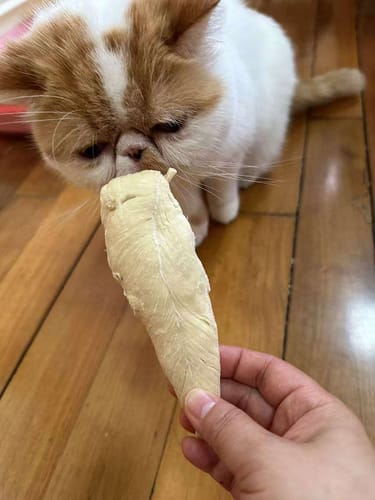
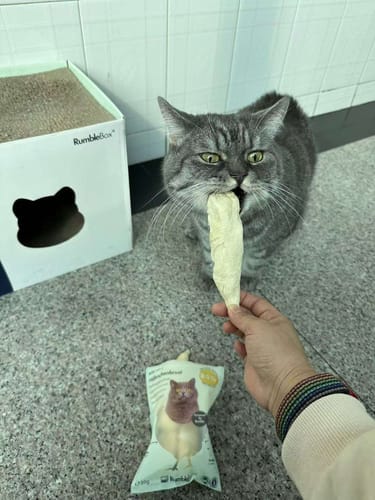
Snacks are not just rewards. Used correctly, they are relationship-building, training aids, and sometimes a lifesaver when giving medication. Our freeze-dried snacks consist of 100% meat – such as pure chicken breast, gently freeze-dried to preserve nutrients and aroma. A reward where you know exactly what’s inside.
Especially for sensitive cats: monoprotein
Many cats react sensitively to certain ingredients without you noticing it immediately – digestive problems, less energy, general malaise. Monoprotein snacks with only one type of meat are worth their weight in gold here because it is easier to narrow down intolerances. In our experience, around 95% of cats tolerate our ingredients without issues.
Dental care through chewing
An often overlooked side effect of firm, freeze-dried snacks: chewing on real meat mechanically supports the teeth. Tartar and gum inflammation are a real problem in older cats – every little contribution to oral hygiene pays off.
Mental well-being & species-appropriate occupation
Health is not just a matter of the body.
Stress, boredom & loneliness
A bored cat is a cat at risk. Chronic under-stimulation leads to stress, and stress leads to physical symptoms – from bladder problems to obesity due to emotional eating. This is often underestimated, especially with purely indoor cats.
Environmental enrichment
The technical term sounds clunky, but it means something simple: retreats, heights for climbing, play mimicking real hunting behavior, variety. A cat needs a place where it can be undisturbed – the RumbleBox itself, by the way, can be repurposed as a cozy cat house and retreat. Small cave, big impact.
Recognizing the signs of aging
Typical signs of aging
Cats are masters at hiding weakness – a legacy of their predatory past. Watch for subtleties: less jumping, a stiffer gait, a scruffier coat, increased sleeping, slow weight loss, drinking more. The latter is often the first sign of early-stage kidney failure.
When to go to the vet?
Clear warning signs: sudden weight loss, loss of appetite for more than a day or two, noticeably increased drinking and urination, vomiting, behavioral changes. For senior cats, I would advise a check-up twice a year – half a year makes a big difference in a cat's life.
Care & nutrition for senior cats
Adapted feeding & gentle snacks
Older cats often have worse teeth, a more sensitive stomach, and sometimes less appetite. Creamy, easily digestible "Schleckies" are practical here – they can be consumed without the need for chewing, stimulate the appetite, and provide high-quality protein that helps against age-related muscle loss. For picky seniors, a warmed-up, intensely smelling snack can sometimes break the "hunger strike."
More comfort: a barrier-free home
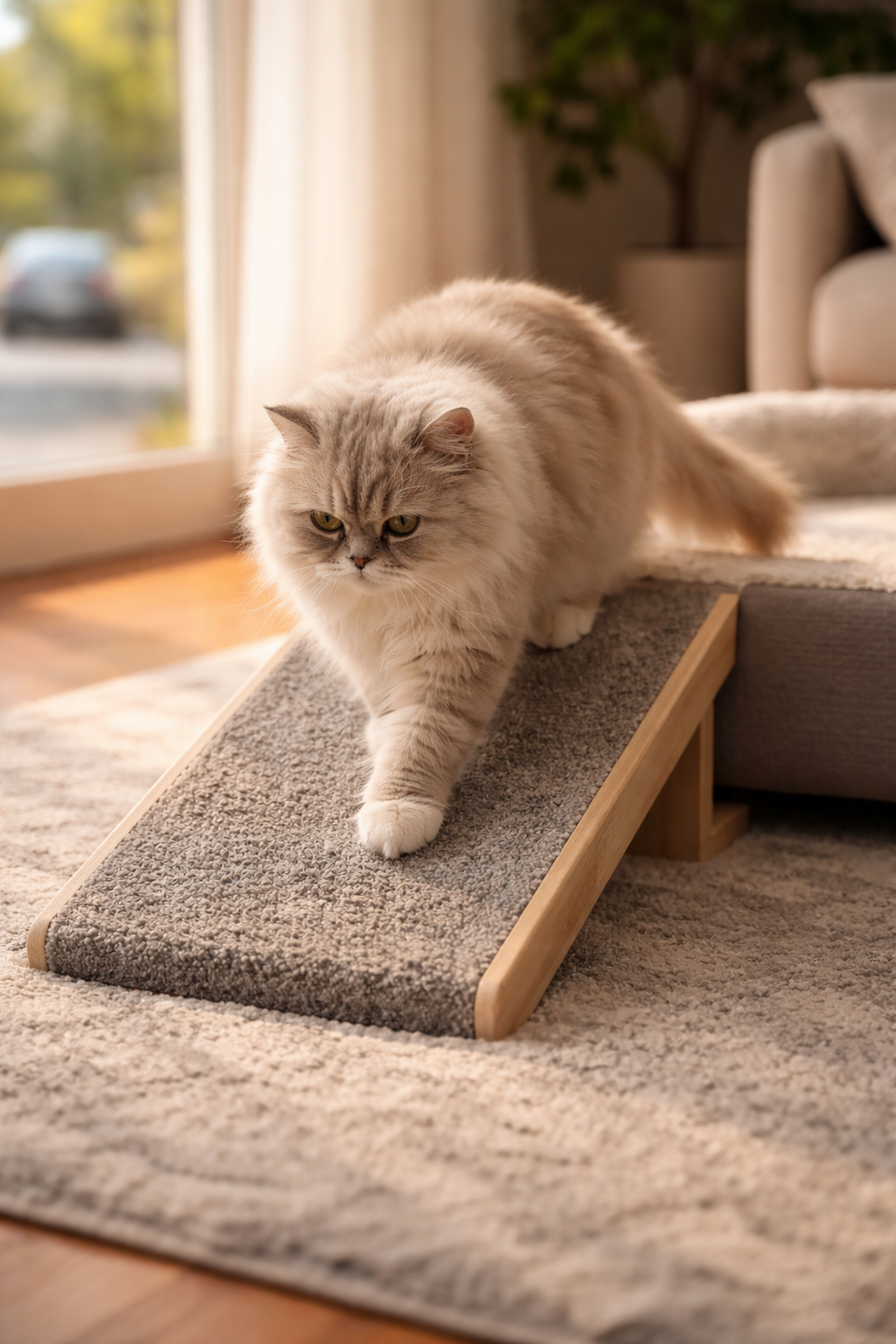
Small changes, big relief: low entry points for the litter box, ramps or small steps to a favorite spot, easily accessible food bowls, soft warm sleeping places. An arthritic cat will otherwise suffer every day – that doesn't have to be the case.
Quality of life into old age
In the end, it’s not just about the years of life, but the quality of those years. An 18-year-old cat that is still curiously inspecting its box and demanding its snack has done everything right – and so have you.
Frequently Asked Questions (FAQ)
What is the maximum age cats can reach?
Well-cared-for cats not infrequently reach 18 to 20 years. Individual documented cases go far beyond that, but those are absolute exceptions.
Do indoor cats live longer than outdoor cats?
Generally, yes – outdoor cats often live three to five years less due to accidents, diseases, and fights. Secure outdoor access is a good compromise.
How can I extend my cat’s life expectancy?
High-quality, meat-rich food, weight control, regular preventative care, neutering, a low-stress environment, and enough stimulation. No magic – just consistency.
What role does nutrition play in a long cat life?
A central one. As obligate carnivores, cats need animal protein and taurine. In my conviction, a sugar-free, grain-free, meat-rich diet is the biggest lever you yourself hold in your hands.
Conclusion: How to give your cat a long, healthy life
How long cats live is, to a surprisingly large extent, your decision. Genetics set the framework; the rest happens in everyday life: good food without unnecessary ballast, a watchful eye for preventative care, a healthy weight, and a safe and stimulating environment.
It is rarely the big gestures. It is the daily meat-rich snack instead of the sugary treat, the annual vet visit, the minute of play in the evening, the quiet retreat. Small steps, big impact. With real affection, attentive care, and species-appropriate nutrition – as we understand it at RumbleBox – you lay the foundation for many healthy years together.


Thank you for reading this far – it really means a lot to us! We hope you found something useful and maybe your cat is already looking forward to a little something extra. See you soon and lots of purrs!
By the way
Many cat owners pay close attention to the ingredients in their cat's main food , but often forget about treats .
Snacks often contain sugar, grains and artificial additives that can be harmful to health in the long run.
Anyone who truly wants to feed their cat a completely healthy diet should also rely on natural ingredients here:
Hypoallergenic treats without additives – naturally from RumbleBox. Perfect as a reward, during training, or simply as a snack.
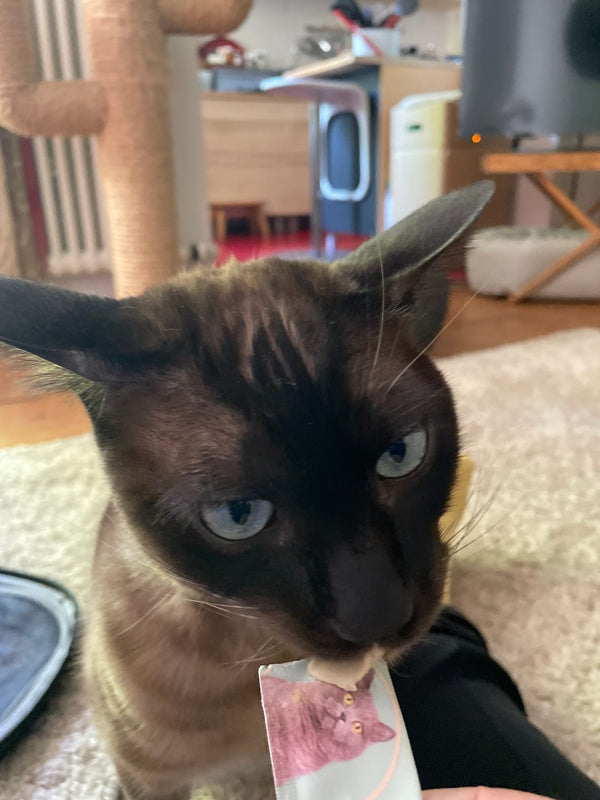
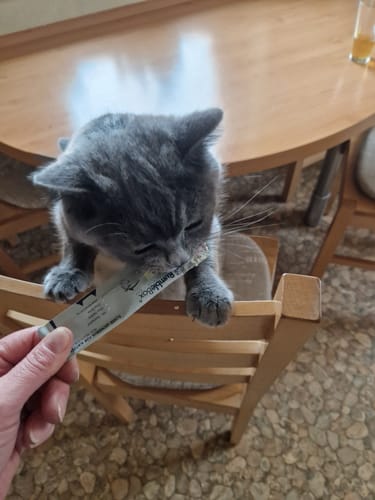
Over 2,500 cats have already switched to healthy snacks!
💚





100% Duck Breast Monoprotein 50g
Description
FREEZE-DRIED CAT SNACKS: 100% DUCK BREAST – NATURAL & NUTRITIOUS
Our freeze-dried cat snacks made from 100% duck breast are the perfect choice for cats who love pure meat snacks. The extra-large pieces are ideal for cats who like to bite hard—at the same time, they encourage their natural chewing instinct and support dental care.
Whether as a daily reward, monoprotein treat for cats or high-quality dried duck breast for cats with special needs – this freeze-dried cat snack stands for species-appropriate nutrition without compromise.
WHY OUR DUCK BREAST SNACKS ARE CONVINCING
- 100% natural : Pure duck breast – no grains, sugar or additives.
- Large pieces for extra enjoyment : Each duck breast is approx. 10 cm long, ideal for enjoyable chewing.
- Fresh meat : Direct from the farm – each 50g pack contains approximately 250g of fresh duck breast.
- Rich in nutrients : High-quality protein and valuable fatty acids for a shiny coat and strong muscles.
- Healthy teeth : The solid pieces promote chewing and support dental care.
- Monoprotein and well tolerated : Unprocessed duck breast for a healthy, species-appropriate diet.
PERFECT FOR ALLERGIC CATS AND SPECIAL NEEDS
Our freeze-dried cat snacks are not only delicious but also extremely well-tolerated. They are ideal as healthy treats for cats or as food for cats with allergies.