Cat poops next to the litter box: causes and solutions
Table of contents
1. Why might a cat associate the litter box with pain?
Cats learn through positive and negative associations . If they have an unpleasant experience in a certain place, they may avoid that place in the future.
If a cat repeatedly experiences pain when going to the toilet – for example due to cystitis, urinary stones or constipation – the following connection could form in its head:
“Litter box = pain” → avoid litter box

This means that the cat does not think that its illness is causing the pain, but instead "blames" the toilet. To avoid the discomfort, it looks for another place to urinate or defecate.
How can we break this negative association?
resolve health problems
- A visit to the vet is the first step to ensure that the pain goes away.
- The cat should no longer have any negative experiences when going to the toilet.
Adjusting the litter box and litter
- If the current litter box has negative connotations, a new model can help (larger, lower, open design).
- A different litter can also help – many cats prefer fine, soft sand or natural litter , which is gentler on their paws.
Creating Positive Connections
- Use gentle methods to re-accustom your cat to the litter box, without force.
- If she approaches the toilet, you can reward her with treats or caresses .
- Sometimes it helps to set up another litter box in a new, more comfortable location.
2. Health problems: Is your cat sick?
A change in toilet behavior can be an indication of health problems. In particular, diseases of the urinary tract or digestive system can cause cats to avoid the litter box.
Possible causes
Urinary tract diseases (cystitis, urinary stones, urinary tract infections)
- These cause pain when urinating. The cat associates the litter box with pain and avoids it.
kidney disease
- Older cats in particular are more likely to suffer from chronic kidney failure. They have to urinate more often and may not be able to get to the litter box in time.
digestive problems (diarrhea or constipation)
- A cat with constipation may avoid the litter box because it is painful to defecate, and if it has diarrhea, it may not be able to reach the litter box in time.
osteoarthritis or limited mobility
- Older cats or cats with joint problems often avoid high litter boxes because getting in is painful.

Solution
If your cat suddenly becomes unclean and also shows any of the following symptoms, you should consult a veterinarian:
- Frequent toilet visits but little urine
- Loud meowing or restlessness when urinating
- Excessive licking of the genital area
- blood in the urine
3. Stress and changes in the household
Cats are sensitive to changes in their environment. Stress can cause them to become unclean.
Typical stress triggers:
New roommates or pets
- A new family member or another cat can disrupt the existing order.
moving or remodeling the apartment
- Even small changes like new furniture or a new location for the litter box can cause stress.
Less attention from the owner
- Cats can feel neglected when you have less time for them. Some cats react by peeing on the sofa or bed.

Solution
- Stay calm and give your cat time to get used to changes.
- Provide places to retreat to so your cat feels safe.
- Pheromone sprays (e.g. Feliway ) can help reduce stress.
- Make sure you have a set routine with regular feeding times.
4. Is the litter box the problem?
If your cat is healthy and not stressed, the problem may be with the litter box itself. Cats are picky when it comes to their litter box.
Possible causes
Litter box is not clean enough
- Cats don't like their litter box to be dirty, so they may refuse to use it.
Fake cat litter
- Cats prefer fine, sand-like litter. Coarse-grained or strongly scented litter can be unpleasant.
Too small or closed litter box
- Some cats do not like hooded litter boxes or feel cramped in small litter boxes.
Wrong location
- The litter box should be in a quiet, easily accessible place – not next to food and water.

Solution
- Clean the litter box daily.
- Try different types of litter and see which one your cat prefers.
- If your cat doesn't like using a hooded litter box, try an open litter box.
- Place the litter box in a quiet, protected place.
5. Multiple cats? Possible conflicts over the litter box
In households with multiple cats, territorial issues can arise. Some cats feel uncomfortable when they have to share a litter box.
Solution
- The rule is: number of cats + 1. So if you have two cats, you need at least three litter boxes.
- Place the toilets in different places in the apartment.
- Pay attention to whether one cat is chasing another away from the litter box. If so, you will need additional litter boxes.

6. Is your older cat no longer able to use the litter box?
Older cats or cats with joint problems often have difficulty entering high litter boxes.
Solution
- Use a toilet with a low entry.
- Place the litter box near her favorite spot so she doesn't have to walk far.
- If your cat suffers from osteoarthritis, ask your veterinarian about appropriate treatment options.
7. Uncleanliness or marking behavior?
Sometimes a cat will pee outside the litter box to mark its territory. Unneutered male cats are particularly prone to this.
How do you recognize marking behavior?
- The cat pees in small amounts on walls or furniture.
- She lifts her tail and squirts urine backwards.
- The behavior often occurs near doors, windows or new objects.
Solution
- If your cat is not yet neutered, talk to your vet about neutering.
- Clean marked areas with an enzymatic cleaner to remove odors.
- Reduce stress factors in the environment.
Conclusion: understand instead of complaining!
Cats don't do their business next to the litter box without a reason. They are sending signals - whether due to pain, stress or dissatisfaction with their litter box. Instead of punishing them, you should find out the cause.
The best approach: Observe closely. Be patient. Offer alternatives. With a little patience and the right adjustments, she will soon be able to use her litter box reliably again. 🐾


Thank you for reading this far – it really means a lot to us! We hope you found something useful and maybe your cat is already looking forward to a little something extra. See you soon and lots of purrs!
By the way
Many cat owners pay close attention to the ingredients in their cat's main food , but often forget about treats .
Snacks often contain sugar, grains and artificial additives that can be harmful to health in the long run.
Anyone who truly wants to feed their cat a completely healthy diet should also rely on natural ingredients here:
Hypoallergenic treats without additives – naturally from RumbleBox. Perfect as a reward, during training, or simply as a snack.
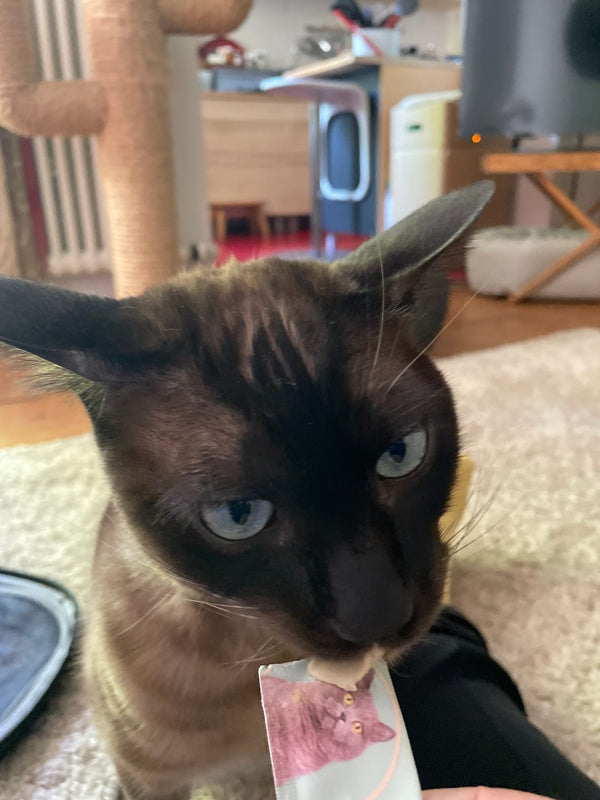
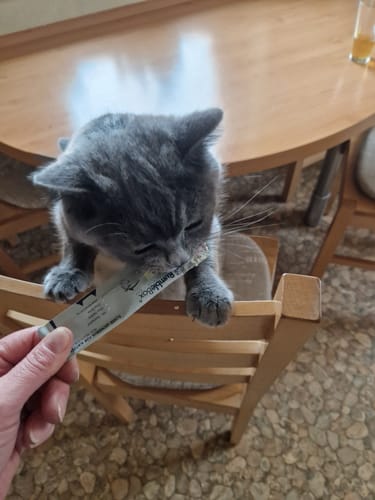
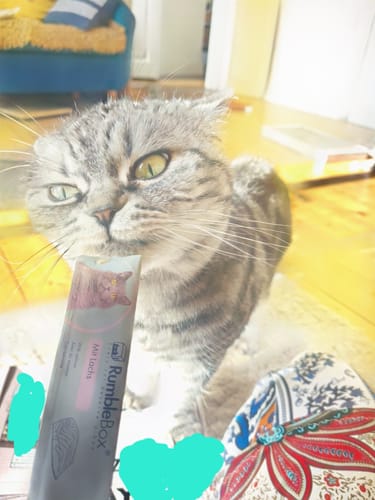
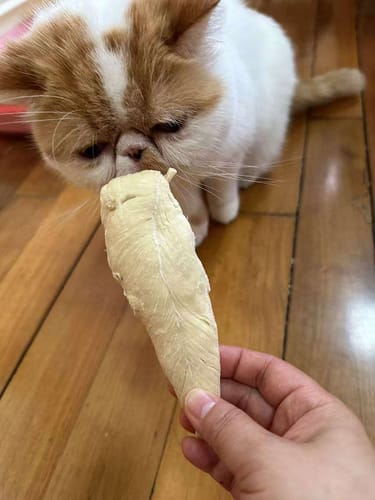
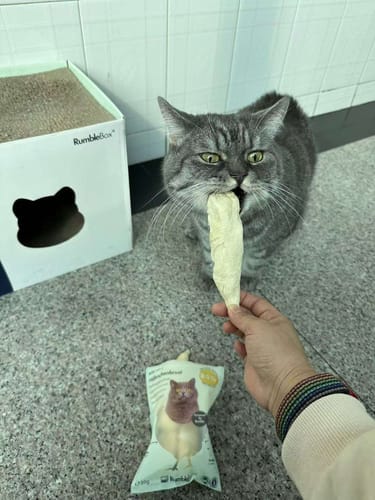
Over 2,500 cats have already switched to healthy snacks!
💚


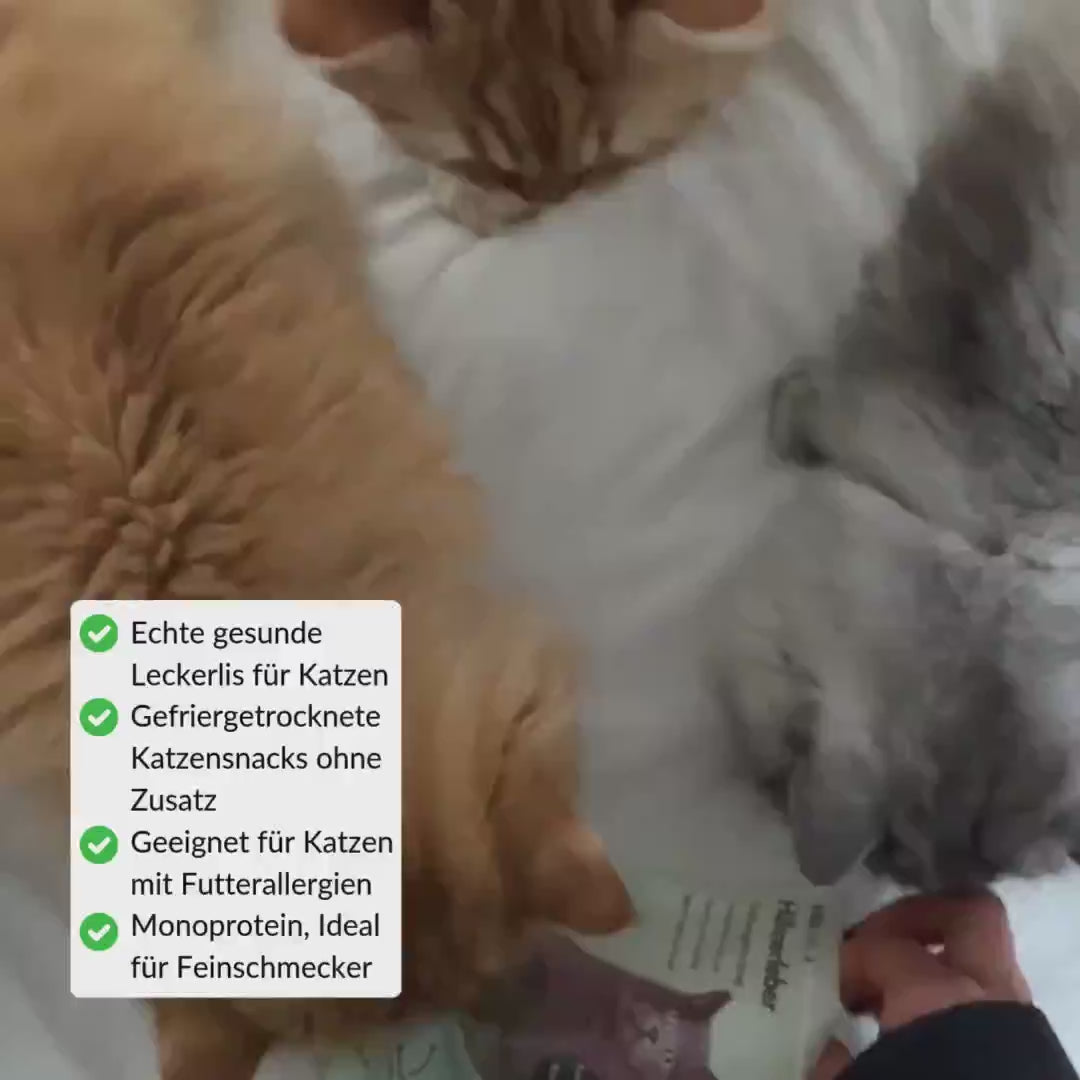


100% Duck Breast Monoprotein 50g
composition
Description
FREEZE-DRIED CAT SNACKS: 100% DUCK BREAST – NATURAL & NUTRITIOUS
Our freeze-dried cat snacks made from 100% duck breast are the perfect choice for cats who love pure meat snacks. The extra-large pieces are ideal for cats who like to bite hard—at the same time, they encourage their natural chewing instinct and support dental care.
Whether as a daily reward, monoprotein treat for cats or high-quality dried duck breast for cats with special needs – this freeze-dried cat snack stands for species-appropriate nutrition without compromise.
WHY OUR DUCK BREAST SNACKS ARE CONVINCING
- 100% natural : Pure duck breast – no grains, sugar or additives.
- Large pieces for extra enjoyment : Each duck breast is approx. 10 cm long, ideal for enjoyable chewing.
- Fresh meat : Direct from the farm – each 50g pack contains approximately 250g of fresh duck breast.
- Rich in nutrients : High-quality protein and valuable fatty acids for a shiny coat and strong muscles.
- Healthy teeth : The solid pieces promote chewing and support dental care.
- Monoprotein and well tolerated : Unprocessed duck breast for a healthy, species-appropriate diet.
PERFECT FOR ALLERGIC CATS AND SPECIAL NEEDS
Our freeze-dried cat snacks are not only delicious but also extremely well-tolerated. They are ideal as healthy treats for cats or as food for cats with allergies.