Chrysanthemums toxic to cats: symptoms, first aid & safe alternatives
In short: The answer is yes. Chrysanthemums are toxic to cats. Every part of the plant is poisonous. Not just the pretty flowers. The flowers decorate balconies and living rooms in autumn. If your cat has nibbled on a pot, please take a deep breath. Keep reading. Most cases are mild. But there are clear limits. In those cases, you must not wait.
I have spent years professionally and personally looking into what cats put in their mouths. In autumn, chrysanthemums trigger many worried questions. That is why I am writing this text. I do not want to cause panic. But I do not want to downplay the danger either.
Are chrysanthemums toxic to cats? The quick answer first
The ASPCA classifies Chrysanthemum spp. as toxic to cats, dogs, and horses. This assessment can be found in reputable overviews. The classification is based on systematically evaluated cases.
Does that mean your cat will die because it nibbled on a leaf? Not necessarily. In practice, we usually see gastrointestinal complaints. These often subside after one to two days. This answer lies between harmless and life-threatening. Online, it is surprisingly rarely stated this clearly.
Why are chrysanthemums toxic to cats?
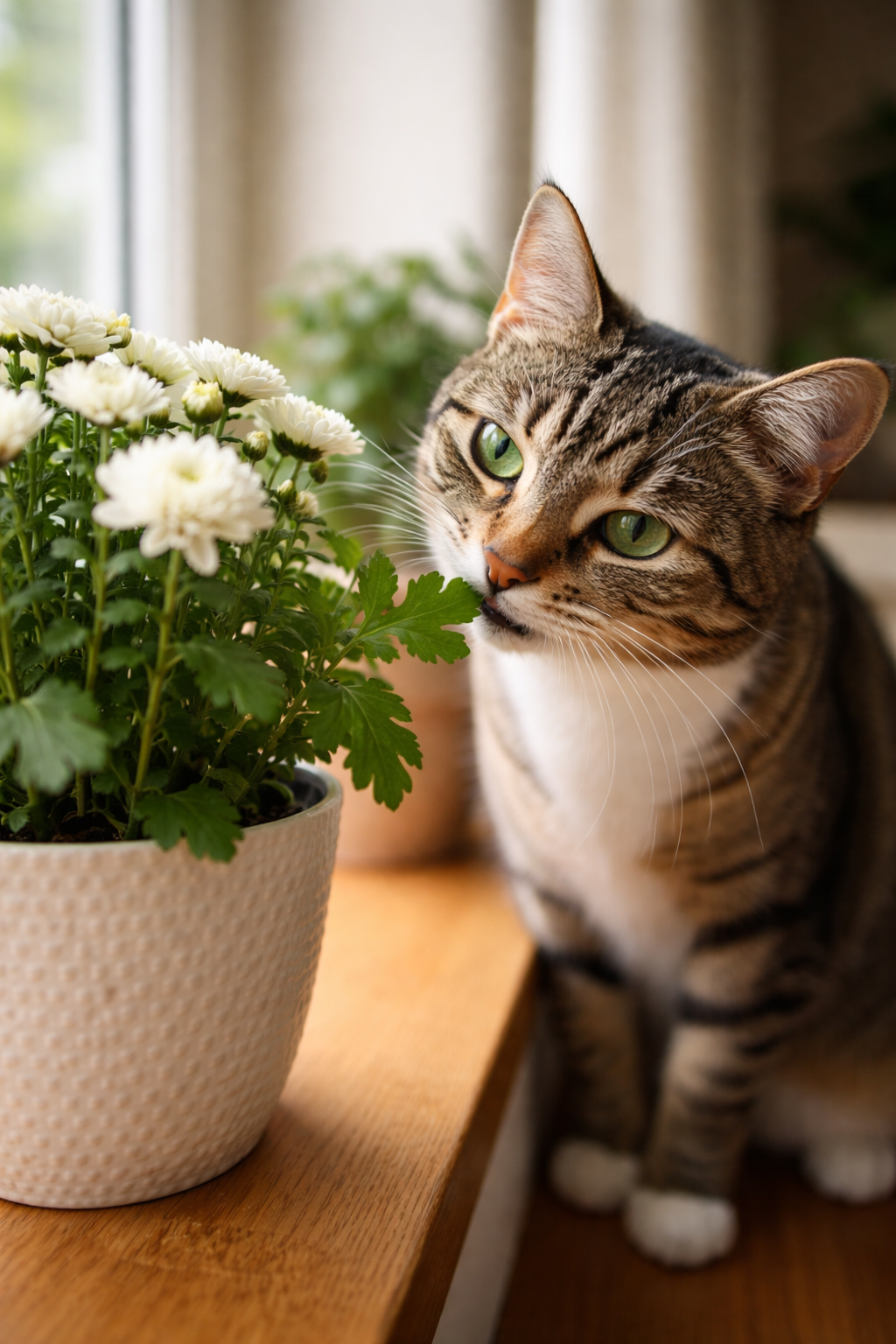
The toxic ingredients: Pyrethrins & Sesquiterpene lactones
The main active ingredient is pyrethrin. Pyrethrin is a natural insecticide. The chrysanthemum produces it itself. The plant uses it to keep pests away. Pyrethrins are also used as pyrethroids in many flea treatments for dogs. Cats do not break down pyrethroids as well. That is why these treatments often lead to poisoning in cats. The plant therefore contains this substance naturally.
The plant also contains sesquiterpene lactones. The ASPCA lists these substances along with pyrethrins and other irritating substances as toxic. These compounds irritate mucous membranes and skin. That is why people sometimes get itchy fingers when cutting them. In cats, the irritation affects the mouth, stomach, and sometimes the paws.
All parts of the plant are poisonous – flowers, leaves & stems
Many believe only the flowers are dangerous. That is not true. Pyrethrins are in leaves, stems, and flowers. The flower heads often contain the highest amount. A cat that chews on a leaf ingests the substance just the same. Practically speaking: you cannot just cut off the flowers and leave the plant standing.
What do toxicological databases say?
Those who want to check exactly should use standard reference works. The poisonous plant database of the University of Zurich (CliniTox/Vetpharm) and the ASPCA list provide reliable information. Both institutions systematically evaluate poisoning cases. In German-speaking countries, giftpflanzen.com offers a practical overview. In none of these sources will you find an exact "lethal dose per kilogram of cat." This figure does not exist in any reputable source. The pyrethrin content varies according to variety, growing conditions, and plant part. Anyone citing an exact gram figure is guessing. Do not believe it.
Symptoms of chrysanthemum poisoning in cats
Typical signs: vomiting, diarrhea, excessive salivation & coordination problems
The ASPCA explicitly lists the following as clinical signs: vomiting, diarrhea, increased salivation (hypersalivation), lack of coordination, and skin inflammation (dermatitis). These symptoms often occur in this order.
Most owners first notice excessive drooling. The cat will then have wet fur on its chin. The cat smacks its lips as if it has caught something very bitter. This happens because pyrethrins taste very bitter. That is why very few cats eat large quantities. Vomiting and loose stools often follow. If the plant sap irritates the skin, redness occurs. The cat may then scratch its paws.
How quickly do symptoms appear?
Symptoms often appear faster than many think. Salivation and initial gastrointestinal reactions often begin within minutes to a few hours after nibbling. That is good news. You usually realize quickly that something is wrong. You do not have to live in uncertainty for days.
When does it become critical?
The situation becomes critical with neurological signs. These include significant tremors, muscle twitching, and staggering. A cat that can no longer stand securely is in danger. These signs indicate a high intake of pyrethrin. Such cases require immediate veterinary treatment. The same applies to persistent vomiting. If that happens, the cat cannot keep anything down and risks dehydration. Very young, very old, or sick animals also have fewer reserves.
First aid: What to do in case of suspected poisoning?
Step-by-step immediate measures
Stay calm. This rule prevents mistakes. Then proceed as follows:
- Take the plant away from the cat and move the cat to a quiet room where you can observe it.
- Secure the plant remains. Keep a torn-off leaf or a piece of stem. If in doubt, take a photo of the plant, including the variety or label. This information will help the veterinarian.
- Gently rinse visible plant remains from the mouth if the cat allows it. Wipe affected paws with lukewarm water.
- Note down what the cat ate and when. This information is very important over the phone.
Contact the veterinarian or veterinary clinic immediately
Call the practice before you leave. Then the practice will know you are coming. They will tell you over the phone whether you need to wait or come in immediately. You can find an emergency service near you via the directory at tierklinik.de/notdienst. It is best to save this number today.
Important emergency numbers & poison control centers in Germany
Poison control centers help with initial assessment. These hotlines are actually intended for humans. However, they often provide information on animal poisoning as well. The Berlin Veterinary Chamber maintains an overview of emergency services and poison control centers. This overview serves as a starting point. Telephone advice does not replace a trip to the vet. The consultation is only a bridge.
What you should definitely not do
Please do not induce vomiting. Do not give salt water or home remedies. That is dangerous for cats. It can cause more damage than the plant. Do not give milk, oil, or activated charcoal without veterinary instructions. The veterinarian makes those decisions. Do not trust the internet.
Why do cats nibble on plants at all?
Understanding natural behavior
Cats are carnivores. Nevertheless, they like to nibble on greenery. Experts suspect several reasons. One reason is that greenery helps when coughing up hairballs. Another reason is that it provides fiber. Some cats show curiosity and look for something to do. A bored indoor cat often considers houseplants as toys and snacks.
Targeted distraction with safe, species-appropriate alternatives
Prohibitions rarely work. A nibbling cat will not stop just because the plant is higher up. It will then look for other greenery. It is better to offer the cat something better.
Cat grass is the obvious solution to nibbling. For activity and rewards, I like to use high-quality meat snacks. RumbleBox offers 100% meat without sugar, grain, or unnecessary additives. The products contain freeze-dried chicken breast and creamy lickable pastes with a high meat content. The goal is to keep the cat busy with an intensely smelling, species-appropriate snack. Then it will have less interest in the houseplant. Freeze-dried pieces are well-suited to redirect plant-nibbling into a search-and-prey game.
Preventing poisoning: A cat-proof home & garden
Remove poisonous plants from reach
My honest advice: If you have cats, do not keep chrysanthemums indoors. For a cat that easily jumps on top of a wardrobe, there is no such thing as "out of reach." In the garden, you cannot always remove all plants. There, it helps to fence off observed nibbling spots. Do not let your cat sniff around beds with chrysanthemums unsupervised.
Cat-friendly, non-toxic plant alternatives (e.g., cat grass)
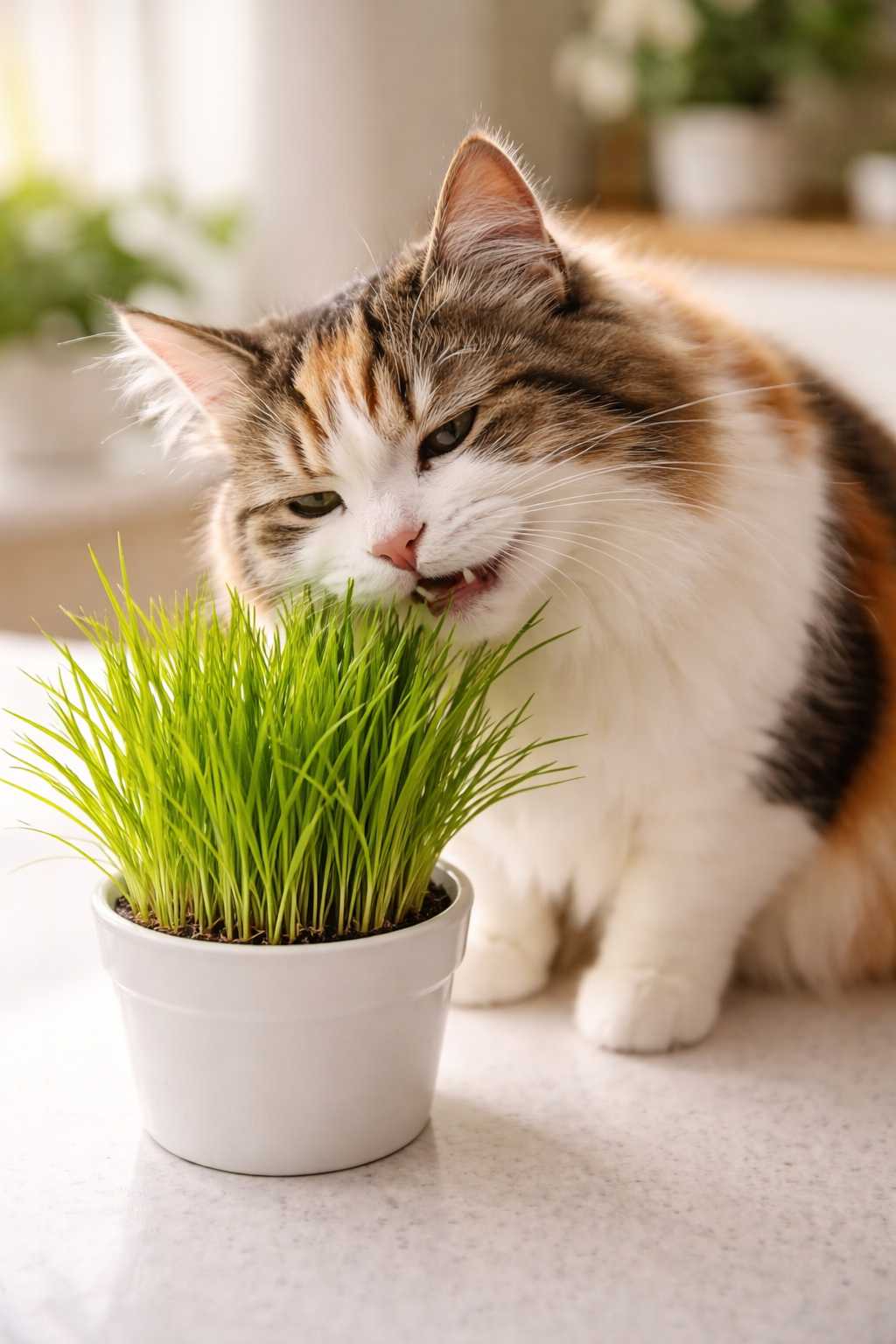
There are many non-toxic plants for decoration. Cat grass satisfies the urge to chew. Spider plants, Kentia palms, and bamboo palms are considered safe. Catnip offers additional activity. A bowl of cat grass next to the windowsill is often the easiest solution.
Tips for a safe, stimulating outdoor area
Plan an outdoor area for cats with stimuli instead of risks. Build climbing and hiding opportunities. Create a sunny spot and beds with non-toxic herbs. A cat with plenty to discover will go after decorative poisonous plants less often. I would leave out chrysanthemum pots on a cat balcony. Why take the risk for a plant that is not non-toxic?
Overview of other plants toxic to cats
The chrysanthemum is only one of many. These are the plants I see most frequently in cat households. Some only cause irritation, others are significantly more dangerous:
| Plant | Type | Risk for cats |
|---|---|---|
| Lilies (Lilium & Hemerocallis) | Cut/houseplant | Very high – even small amounts can lead to acute kidney failure. A true emergency. |
| Poinsettia (Euphorbia pulcherrima) | Houseplant | Irritates mouth and stomach; usually mild but unpleasant. |
| Dieffenbachia | Houseplant | Severe mucous membrane irritation, swelling, salivation. |
| Ivy (Hedera helix) | House/garden plant | Gastrointestinal complaints, irritation upon skin contact. |
| Chrysanthemum | House/garden plant | Vomiting, diarrhea, salivation, coordination problems. |
A more detailed overview can be found in the Fressnapf magazine and in the aforementioned poisonous plant database. If I could ban one single plant from cat households, it would be the lily. It is significantly more dangerous.
Frequently Asked Questions (FAQ)
Are all chrysanthemum species and dried chrysanthemums toxic to cats?
Databases list the entire Chrysanthemum genus as toxic. There is no safe ornamental variety for cats. Pyrethrins do not disappear through drying. Keep dried flowers and chrysanthemum tea away from your cat. Do not let your cat nibble on tea or dried flowers.
What should I do if my cat only sniffed the plant?
Just sniffing is usually unproblematic. Scent alone does not cause poisoning. Observe the cat for a few hours. Only nibbling, licking, or chewing leads to the ingestion of the active substances. There is no need for panic. Move the plant.
How much is dangerous? Which cut flowers are safe?
It is impossible to name an exact dangerous quantity. The active ingredient content varies greatly. As a rule of thumb: more plant parts and more flowers increase the risk. Cut flowers like roses, sunflowers, freesias, and baby's breath are considered harmless. With roses, you only need to look out for the thorns. Tulips, lilies, and chrysanthemums do not belong in a vase in a cat household.
Further links & sources
- ASPCA – Chrysanthemum (toxicity, clinical signs, ingredients)
- Poisonous Plant Database (giftpflanzen.com)
- Poisonous Plant Database CliniTox/Vetpharm, University of Zurich (toxicological reference)
- Veterinary emergency service near you (tierklinik.de)
- Berlin Veterinary Chamber – Emergency service & poison control


Thank you for reading this far – it really means a lot to us! We hope you found something useful and maybe your cat is already looking forward to a little something extra. See you soon and lots of purrs!
By the way
Many cat owners pay close attention to the ingredients in their cat's main food , but often forget about treats .
Snacks often contain sugar, grains and artificial additives that can be harmful to health in the long run.
Anyone who truly wants to feed their cat a completely healthy diet should also rely on natural ingredients here:
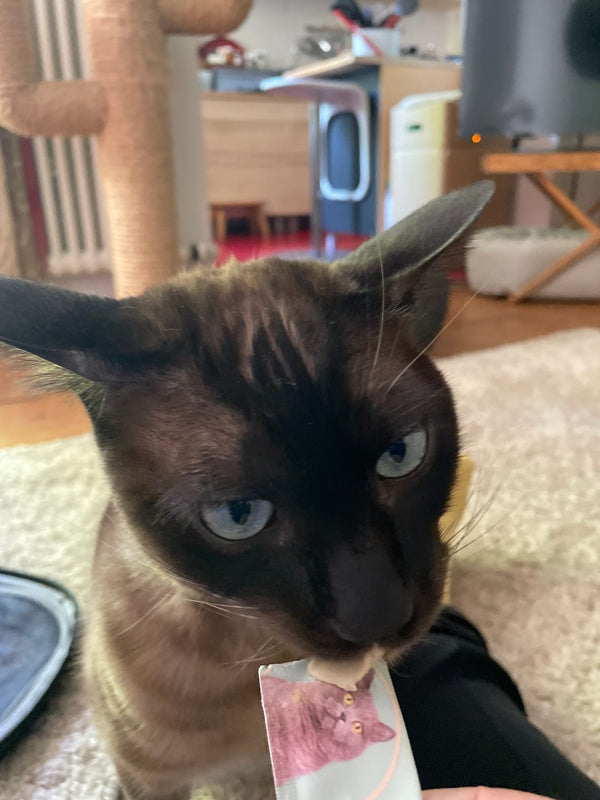
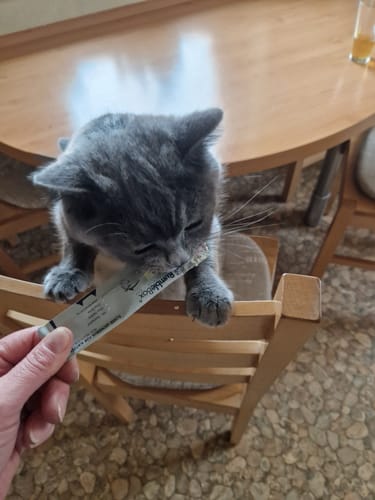
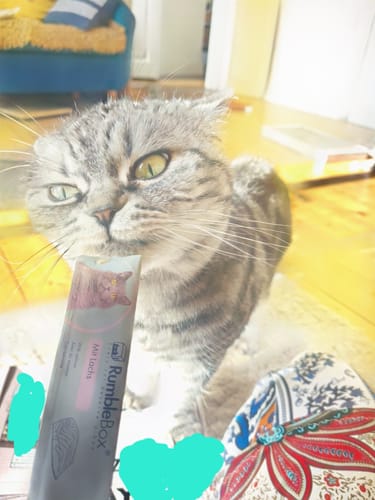
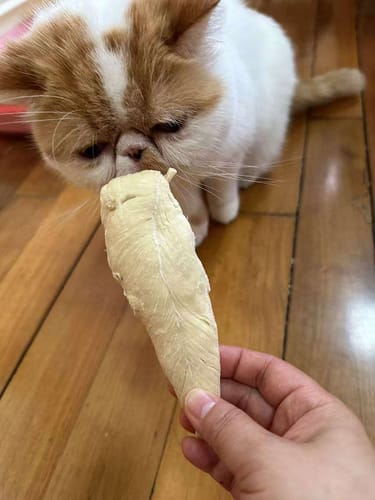
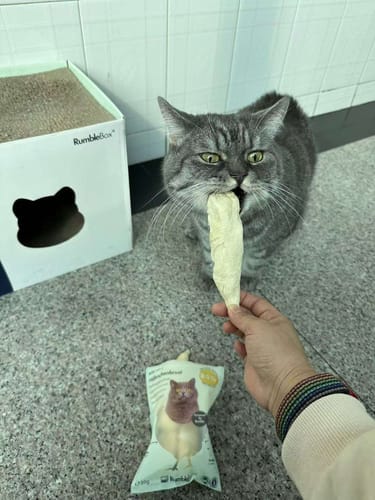
Hypoallergenic treats without additives – naturally from RumbleBox. Perfect as a reward, during training, or simply as a snack.
Over 2,500 cats have already switched to healthy snacks!
💚


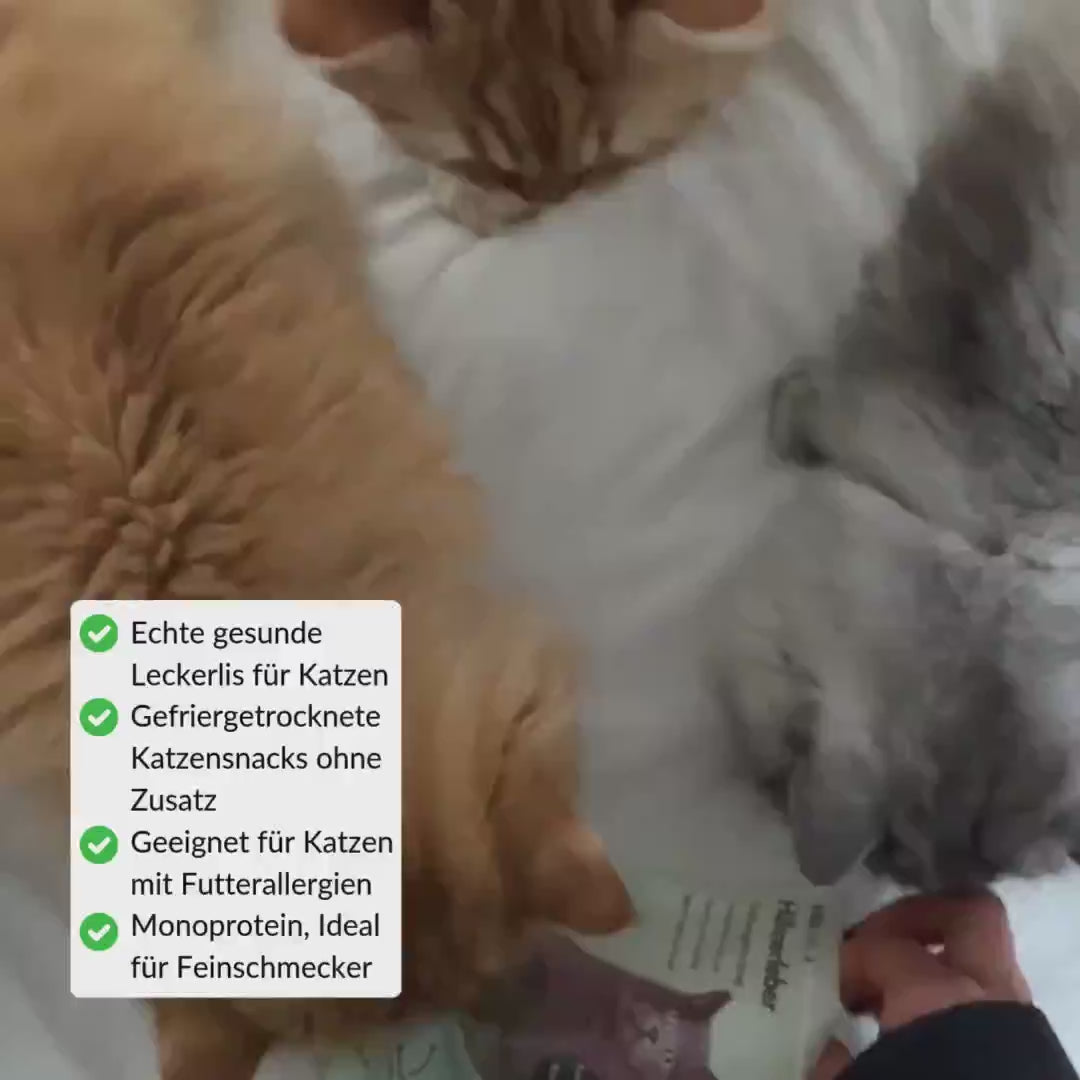


100% Duck Breast Monoprotein 50g
Description
FREEZE-DRIED CAT SNACKS: 100% DUCK BREAST – NATURAL & NUTRITIOUS
Our freeze-dried cat snacks made from 100% duck breast are the perfect choice for cats who love pure meat snacks. The extra-large pieces are ideal for cats who like to bite hard—at the same time, they encourage their natural chewing instinct and support dental care.
Whether as a daily reward, monoprotein treat for cats or high-quality dried duck breast for cats with special needs – this freeze-dried cat snack stands for species-appropriate nutrition without compromise.
WHY OUR DUCK BREAST SNACKS ARE CONVINCING
- 100% natural : Pure duck breast – no grains, sugar or additives.
- Large pieces for extra enjoyment : Each duck breast is approx. 10 cm long, ideal for enjoyable chewing.
- Fresh meat : Direct from the farm – each 50g pack contains approximately 250g of fresh duck breast.
- Rich in nutrients : High-quality protein and valuable fatty acids for a shiny coat and strong muscles.
- Healthy teeth : The solid pieces promote chewing and support dental care.
- Monoprotein and well tolerated : Unprocessed duck breast for a healthy, species-appropriate diet.
PERFECT FOR ALLERGIC CATS AND SPECIAL NEEDS
Our freeze-dried cat snacks are not only delicious but also extremely well-tolerated. They are ideal as healthy treats for cats or as food for cats with allergies.